
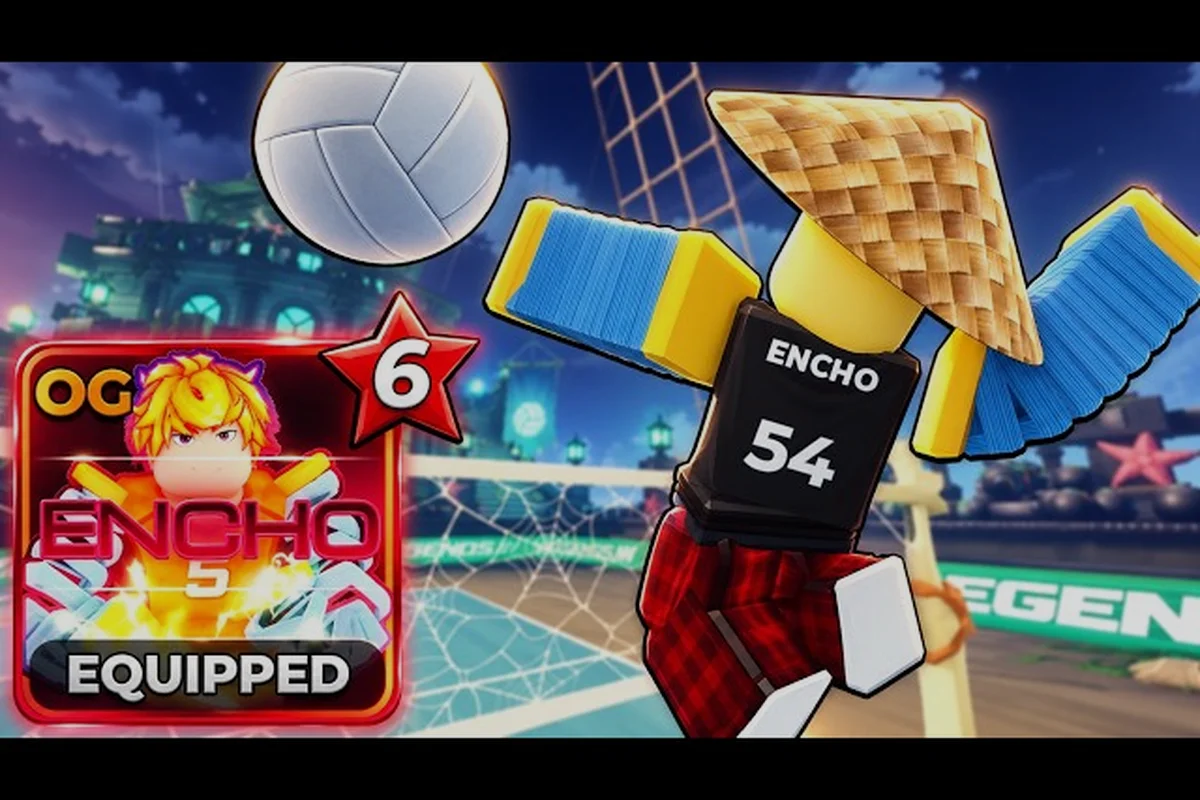
Understanding volleyball legends match flow separates players who trade points from those who control entire sets. A rally is not a random exchange of spikes and digs; it is a sequence of decisions that either builds pressure or hands momentum to the other side. This guide breaks down how to win rallies consistently, recover from early deficits, and eliminate the common mistakes that quietly drain your win rate.
How Match Flow Works in Volleyball Legends
Every set in Volleyball Legends follows a rhythm that experienced players learn to read within the first three rallies. The serve starts the sequence, the receive sets the tone, and the transition between offense and defense determines whether you stay in system or scramble. Players who understand this rhythm stop reacting to the ball and start anticipating where the next touch will land.
The core loop is simple on the surface: serve, receive, set, spike, defend, repeat. But the timing between these actions changes based on who is serving, how clean the receive is, and whether your team is in rotation or out of rotation. A clean pass gives your setter time to choose between a quick middle attack or a high outside set. A sloppy pass forces a desperation bump over the net, which hands the opponent a free ball and a chance to run their own offense.
Community data from high-ranked lobbies shows that teams win roughly 70% of rallies when they execute a clean first pass, compared to under 40% when the first touch is off target. That gap is not about mechanical skill alone; it is about how the match flow shifts when one team consistently starts rallies in control. The serve-receive phase is where most rallies are won or lost before a single spike happens.
| Phase | What Happens | Common Outcome |
|---|---|---|
| Serve | Server targets a weak passer or deep corner | Free ball or immediate attack |
| Receive | Passer angles the ball to the setter | Clean set or broken play |
| Set | Setter chooses tempo and location | Hitter gets a 1-on-1 or double block |
| Attack | Hitter aims for seams or deep corners | Kill, tool, or dug ball |
| Transition | Defense resets to base positions | Ready for next attack or scrambling |
The transition phase is where most intermediate players lose the flow. After attacking, they stand and watch the result instead of resetting to their defensive base. A team that resets within half a second of contact can turn a dug ball into a counter-attack. A team that celebrates early gives up free points on the next touch.
How to Win Rallies Through Serve and Receive
Winning rallies starts before the ball crosses the net. Your serve is the only action in volleyball that you fully control from start to finish, which makes it the most reliable tool for disrupting the opponent's match flow. A well-placed serve forces the other team out of system, while a missed serve hands them a point and kills your momentum.
The most effective servers in Volleyball Legends do not always aim for aces. They aim for the seams between passers, the deep corners, or the short zone just over the net. A serve that forces the setter to run off the net is worth more than an ace attempt that hits the net. According to community testing, consistent deep serves to the back corners produce more broken plays than flat power serves aimed at the middle of the court.
| Serve Type | Best Target | Risk Level | Effect on Match Flow |
|---|---|---|---|
| Deep float | Back corners | Low | Pushes receivers off the net |
| Short drop | Front middle | Medium | Forces confusion between passers |
| Jump topspin | Seam between passers | High | Creates pace but risks errors |
| Sideline cut | Deep sideline | Medium | Pulls defense out of rotation |
Receive quality is the mirror image of serve pressure. When your team is receiving, the goal is not to make a spectacular play; it is to make a predictable play. Passers should angle the ball toward the setter's right side, keeping it high enough for the setter to get under it. A receive that is too low forces a bump set, which limits the attack options and allows the blockers to commit early.
The keyboard controls guide covers the exact input timing for clean passes and serves, which matters more than most players realize. A half-second delay on your pass input changes the trajectory enough to turn a clean set into a broken play.
Reading the Rally and Anticipating the Next Touch
Anticipation is the skill that separates reactive players from proactive ones. When you watch high-level Volleyball Legends matches, you will notice that good players are already moving before the opponent contacts the ball. They read the setter's body position, the hitter's approach angle, and the blocker's positioning to predict where the ball will go.
The setter's hands tell you most of what you need to know. If the setter is facing the left side, the ball is likely going to the outside hitter. If the setter jumps and turns toward the middle, expect a quick set. If the setter is off balance, the ball will probably be a high, predictable set that gives your blockers time to close. Reading these cues lets you shift your defensive position before the attack happens.
| Cue | What It Signals | How to Respond |
|---|---|---|
| Setter faces outside | High outside set | Shift block to the line |
| Setter jumps toward middle | Quick middle attack | Commit early, jump with hitter |
| Setter off balance | Desperation set | Play deep, expect a tip |
| Hitter approaches at angle | Cross-court spike | Block the angle, dig the line |
| Hitter slows approach | Tip or roll shot | Step forward, cover the short zone |
The blocker's job is not just to stop the ball; it is to funnel the attack toward your defenders. A well-positioned block takes away the hitter's favorite angle and forces them to hit into the area where your libero is waiting. This is why communication matters so much in match flow. If the blocker does not call the seam, the defender behind them cannot position correctly. The solo practice guide includes drills that train this exact anticipation skill without needing a full team. Practicing against AI hitters helps you internalize the visual cues that tell you where the ball is going before contact.
Common Mistakes That Break Your Match Flow
Most losing streaks in Volleyball Legends are not caused by a lack of skill. They are caused by repeated mistakes that compound over the course of a set. One missed serve is recoverable. Three missed serves in a row gives the opponent a five-point cushion and forces your team to play desperate volleyball.
The most damaging mistake is overcommitting on defense. When a player dives for a ball that was not theirs to take, they leave a gap in the formation that the opponent exploits on the next touch. Defense in volleyball is a system, not a highlight reel. Staying in your zone and trusting your teammates to cover theirs is more effective than trying to be everywhere at once.
| Mistake | Why It Happens | How to Fix It |
|---|---|---|
| Missed serves | Aiming for aces instead of placement | Target seams, reduce power by 20% |
| Overcommitting on defense | Trying to cover too much court | Stay in your zone, trust teammates |
| Late transition | Watching the attack instead of resetting | Reset to base immediately after contact |
| Forced sets from bad passes | Panic bumping instead of controlled pass | Keep passes high and toward the setter |
| Ignoring the setter's cues | Tunnel vision on the ball | Watch setter's body position before the set |
Another flow killer is forcing attacks from bad passes. When the receive is off target, the setter has two choices: make a desperation set that gets blocked, or bump the ball over and reset the rally. The second option feels weak, but it keeps the ball in play and gives your defense time to reset. Forcing a bad set into a double block is a gift to the opponent.
The leaving matches guide explains how quitting mid-set affects your matchmaking and why staying in a losing match is often the best way to learn comeback mechanics. The players who climb are the ones who treat every rally as a chance to fix their flow, not as a reason to abandon the set.
Volleyball Legends Comeback Guide: Recovering from a Deficit
Comebacks in Volleyball Legends are not about making heroic plays. They are about stopping the bleeding first, then rebuilding your match flow one rally at a time. When you are down by six or seven points, the worst thing you can do is try to score it all back in one serve. That leads to risky plays, missed serves, and a wider gap.
The first step in any comeback is to win the serve-receive battle. If you cannot side out, you cannot score. Focus on making clean passes and running your offense in system, even if it means hitting safer shots instead of going for kills. A safe shot that keeps the rally alive is worth more than a risky spike that gets blocked.
| Deficit | Mindset Shift | Immediate Action |
|---|---|---|
| Down 1-3 | Stay aggressive, no panic | Keep serving pressure, run normal offense |
| Down 4-6 | Tighten serve receive | Reduce unforced errors, target seams |
| Down 7-10 | Stop the bleeding first | Side out consistently, avoid risky serves |
| Down 11+ | Reset completely | Win one rally at a time, ignore the score |
The second step is to identify which player on the other team is carrying their offense and adjust your block to take them away. If their outside hitter has been scoring at will, commit your block to the line and force them to hit cross-court into your defense. Taking away a team's primary scorer forces them to run their offense through less comfortable options, which creates errors and tips.
The third step is to shorten your memory. Every point in volleyball is independent of the last one. A missed serve does not affect the next rally unless you let it. Players who dwell on mistakes play tight and hesitant, which leads to more mistakes. Players who reset mentally after every point play loose and confident, which is exactly what a comeback requires.
Practice Drills to Build Consistent Match Flow
Match flow is not something you learn by reading about it. It is something you internalize through repetition. The best players in Volleyball Legends spend time in practice modes running drills that simulate the exact situations they face in real matches. These drills build the muscle memory that lets you execute under pressure without thinking.
The most effective drill for match flow is the serve-and-transition drill. Serve the ball, then immediately reset to your defensive base position. Have a teammate or AI return the ball, and work on your transition from defense to offense. This drill trains the exact sequence that most players struggle with: the moment after contact when you need to reset instead of watching the ball.
| Drill | Focus Area | Reps per Session |
|---|---|---|
| Serve-and-transition | Reset speed after serving | 20-30 serves |
| Receive-to-set | Clean first pass under pressure | 15-20 receives |
| Block-to-dig | Funneling attacks to defense | 15-20 blocks |
| Out-of-system recovery | Handling broken plays | 10-15 scrambles |
| Side-out simulation | Winning serve receive consistently | 20-25 rallies |
The receive-to-set drill is equally important. Have a teammate serve at you from different angles, and focus on angling every pass toward the setter's position. The goal is not to make a perfect pass every time; it is to make a predictable pass that your setter can handle. Consistency in passing is what allows your team to run its offense in system. The beginner guide covers the fundamental positioning and rotation concepts that these drills build on. If you are still learning where to stand in each rotation, start there before drilling advanced transitions.
Building a Match Flow Routine for Ranked Play
Ranked play in Volleyball Legends rewards consistency more than flash. A player who executes the same clean serve, the same disciplined defense, and the same smart transition every rally will climb faster than a player who alternates between spectacular plays and costly errors. The key is to build a routine that you can repeat under pressure.
Before every serve, take a breath and pick your target. Do not just serve the ball; serve with a purpose. Before every receive, check the opponent's server and adjust your positioning based on their tendencies. Before every attack, glance at the block and choose your shot. These small pre-play routines keep you engaged in the match flow instead of drifting into autopilot.
| Routine Phase | What to Check | Why It Matters |
|---|---|---|
| Before serve | Target zone, opponent's weak passer | Forces broken plays from the start |
| Before receive | Server's tendencies, setter position | Positions you for a clean pass |
| Before attack | Blocker's position, open seams | Maximizes kill probability |
| After contact | Reset to base, watch setter | Prepares you for the next touch |
The mental side of match flow is just as important as the mechanical side. Players who stay engaged in every rally, even when the score is lopsided, maintain their rhythm and give themselves a chance to come back. Players who check out mentally after a few bad points fall into the exact patterns that lead to blowout losses.
Frequently Asked Questions
What is the most important phase of volleyball legends match flow?
The serve-receive phase matters most because it determines whether your team runs its offense in system or scrambles. A clean first pass gives your setter options, while a sloppy pass forces a desperation bump. Teams that win the serve-receive battle consistently control the tempo of the entire set.
How do I stop missing serves in Volleyball Legends?
Reduce your power by about 20% and aim for seams between passers instead of going for aces. A controlled serve that forces a broken play is worth more than a risky ace attempt. Practice the serve-and-transition drill until your serve motion feels automatic and consistent.
Why do I keep losing rallies when I am ahead?
Losing leads usually comes from overcommitting on defense and forcing attacks from bad passes. When you are ahead, stay disciplined in your zones and keep your offense in system. Avoid the temptation to make highlight plays that create unforced errors and hand momentum back to the opponent.
What is the best way to practice match flow alone?
Run the serve-and-transition drill against AI opponents, focusing on resetting to your defensive base immediately after contact. The solo practice guide includes additional drills that train anticipation and out-of-system recovery without needing a full team. Keep sessions short and focused so the reset habit becomes automatic.
How long does it take to improve match flow in Volleyball Legends?
Most players see noticeable improvement after two to three weeks of focused practice, running drills for 20 to 30 minutes per session. The key is consistency in your routine rather than marathon practice sessions. Short, focused reps build the muscle memory that translates directly into ranked matches.