
Ranked
How ranked works in Volleyball Legends — matchmaking, rotations, role discipline and serve pressure that carry you from pickup regular to consistent ranked winner.
Introduction
Ranked is where Volleyball Legends stops being casual. Matchmaking pairs your six against coordinated squads that punish rotation mistakes, passive receive and unpredictable serve pressure. Climbing reliably is less about highlight spikes and more about discipline: arriving with a defined role, keeping front-row blockers fresh, holding back-row receive angles, and resetting mentally between sets when momentum swings. The guides on this page cover how the ranked queue differs from pickup, how premade stacks change your odds, what role fundamentals each court position demands, and the habits that turn a losing streak into a fixable pattern rather than a tilt spiral. Queue only when your serve and receive are consistent — ranked amplifies every weakness you bring to it.
Climbing Fundamentals
| Discipline | What It Fixes | Failure Mode |
|---|---|---|
| Role Clarity | Clean rotations and predictable court duties | Two players chasing the same ball |
| Serve Pressure | Forced weak returns and open middle attacks | Free points handed to the other side |
| Back-Row Angles | Stable receive that feeds your setter | Panic swings into the net on hard serves |
Climbing Roles
Front-Row Blocker
The net defender who stuffs attacks and starts transition offense — the most visible role in any coordinated ranked rotation.
Back-Row Receiver
The stability layer of the team — angled bumps that feed the setter cleanly decide whether your offense exists at all.
Rotating All-Rounder
The flexible piece that keeps rotations legal and covers gaps when a teammate commits early or misreads the set.
Core Mechanics
Ranked matchmaking assembles two six-player squads and evaluates them over set play, where serve pressure, receive quality and rotation discipline compound. Unlike pickup, opponents arrive with roles: dedicated receivers angle their bumps, front-row players time blocks together, and setters run faster tempo against disorganized defenses. Premade stacks gain a structural advantage because practiced rotations and short call words compress decision time. Momentum matters more than in casual play — volleyball scoring produces brutal swings, and teams that tilt after one lost set keep compounding errors. The practical loop for climbing is simple: lock a role, protect your serve and receive consistency, review what broke after each session, and only queue when you can execute those basics cleanly.
Advantages
Ranked is the only environment in the game that consistently rewards structure. Players who master role discipline climb faster than mechanically gifted soloists who ignore rotation, because the queue repeatedly punishes exactly that gap. The mode also accelerates improvement: strong serve pressure and clean receive are drilled automatically against competent opponents, and losing sets reveal concrete fixable patterns instead of random chaos. Coordinated squads convert practice directly into results — called triple blocks and rehearsed transition plays simply do not exist in pickup lobbies. Finally, ranked gives style investment real context: testing a kit against try-hard squads exposes its weaknesses far faster than casual rallies, which informs smarter spin decisions after the next balance patch.
Challenges
The ranked environment is demanding in ways that quietly exhaust players. Solo queue variance is real — one inconsistent teammate on receive can cost a set regardless of your own play — and climbing without a premade stack therefore takes noticeably longer. Momentum swings are brutal: volleyball scoring runs long runs of consecutive points, and protecting mental reset between sets is its own skill that the game never explicitly teaches. Queue pressure also tempts bad habits, like forcing aggressive jump serves to chase quick points, which hands free rallies away. Finally, ranked meta shifts with every balance patch; a role composition that dominated last month can underperform after a style rework, so static team plans age quickly.
Frequently Asked Questions
Should I queue ranked as a complete beginner?+
Do premade teams have a big advantage?+
How do I break a losing streak?+
Quick Tips
Arrive with a defined role before you queue. Ranked lobbies fall apart when six players all chase the same highlight play at once — deciding whether you anchor receive or front the block before the match starts removes hesitation, clarifies communication and immediately makes your entire rotation look far more coordinated.
Reset deliberately between sets. Momentum swings are brutal in volleyball scoring, and players who carry the last set’s frustration into the next one keep compounding the same errors over and over — take a breath, note one clear adjustment to make, then recommit fully to the fresh set ahead of you.
Protect your serve under pressure. When a set gets tight, the temptation is to blast jump-serves for quick highlight points, which frequently hands free rallies straight back to the opponent — a placed, consistent serve wins far more ranked sets in the long run than aggressive serving that collapses at score-critical moments.
Featured
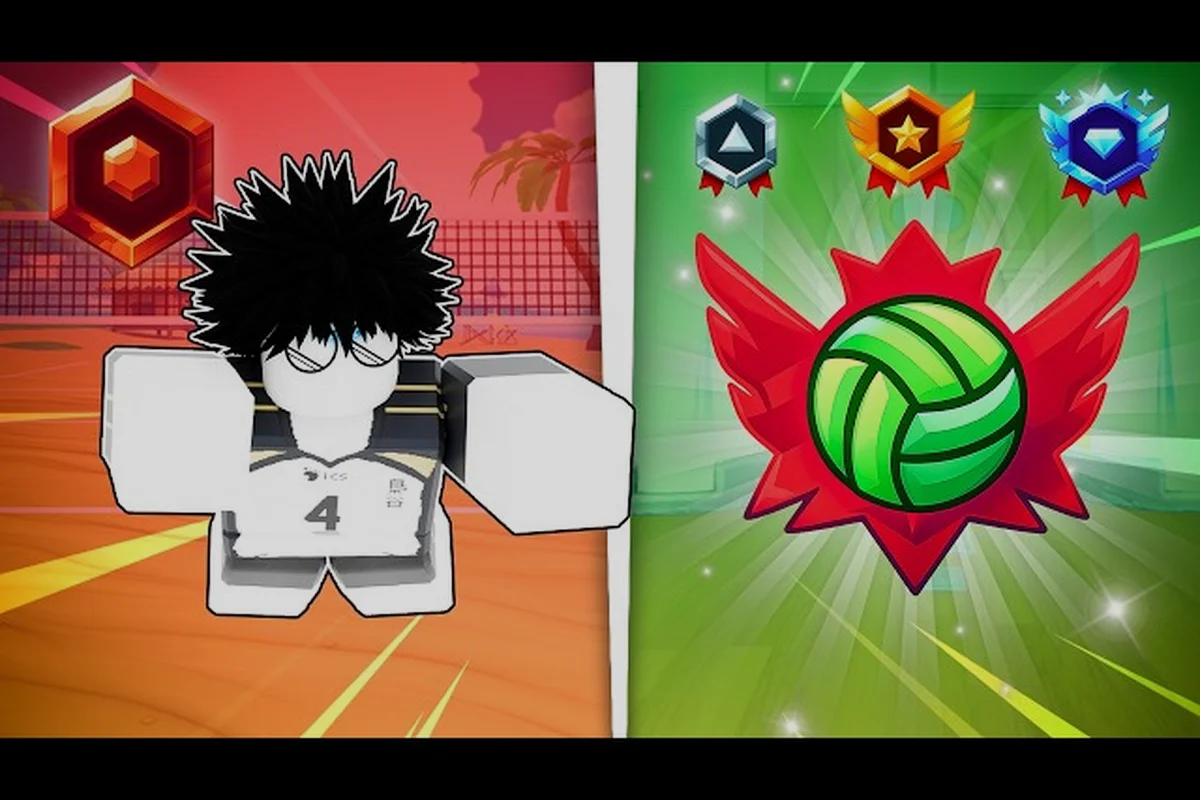
Volleyball Legends Ranked Climb: Placement to Pro
Master the volleyball legends ranked climb from placement matches to Pro rank with tips on lobby pressure, tournament format, and staying calm in tight rallies.
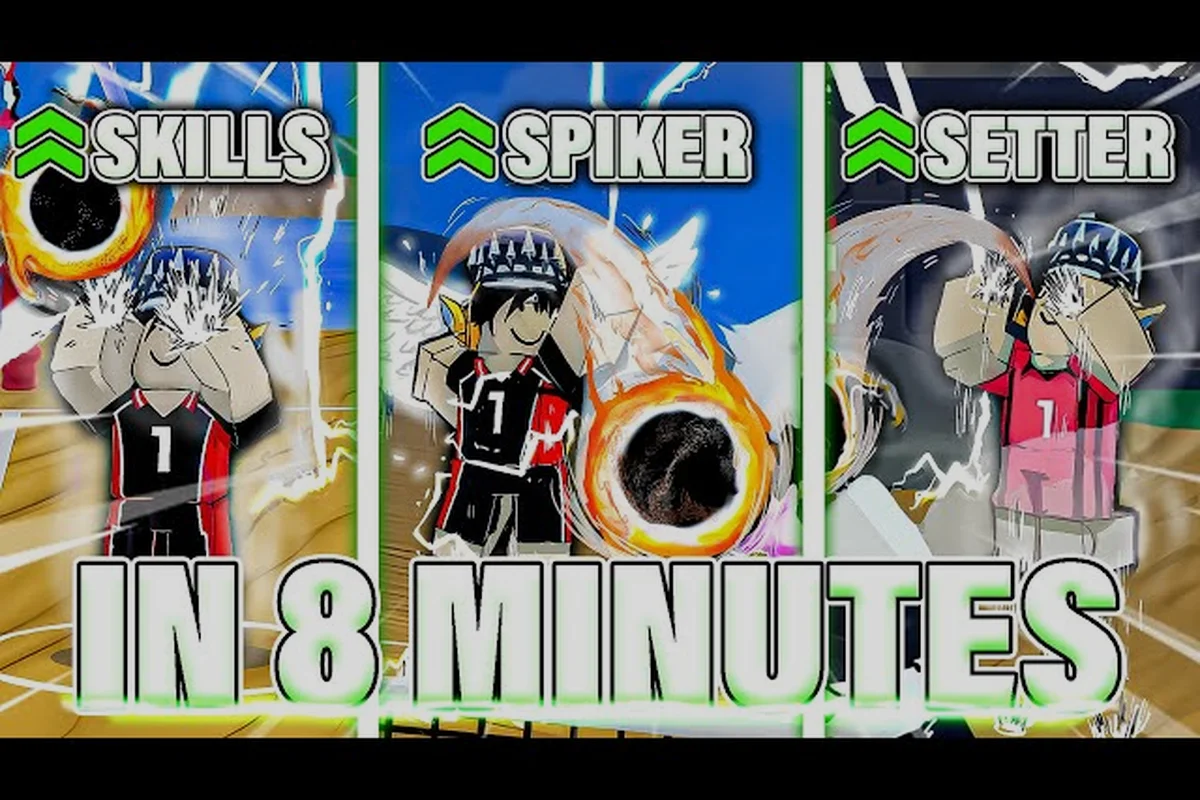
Volleyball Legends Ranked Guide: Points and Highest Rank
Climb with this volleyball legends ranked guide covering ranked points, the ranking system, and the fastest route from Bronze to the highest rank.

Volleyball Legends Ranked Matches: Solo Queue Strategy
Win volleyball legends ranked matches with solo queue strategy, best ranked team comps, and squad tips that carry you through Diamond-Pro lobbies.
All Articles

Volleyball Legends Best Role Ranked for Carrying
Find the volleyball legends best role ranked for solo carrying, plus team comps, rotation fixes, and mentality shifts that end losing streaks before they snowball.

Volleyball Legends End Rank: Queue to Ultimate Champion
Push your volleyball legends end rank from ranked queue to Ultimate Champion with matchmaking insights, leaderboard strategy, and esports-style consistency.
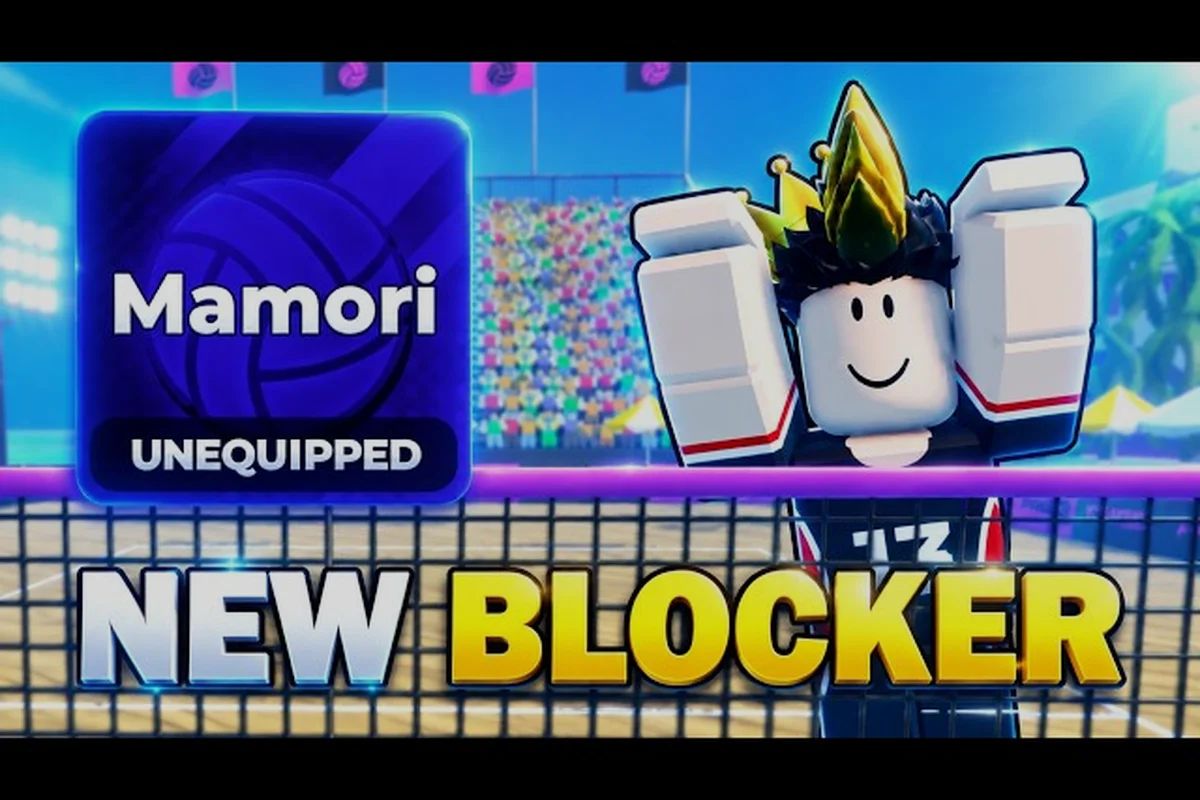
Volleyball Legends Rank Reset: Season Rewards Guide
Prepare for the volleyball legends rank reset with a full checklist of season rewards, top player habits, and mistakes that slow your climb after each wipe.

Volleyball Legends Ranked Duo: 2v2 Premade Tactics
Dominate volleyball legends ranked duo queues with premade synergy, trio communication, and competitive settings that turn a stacked lobby into easy highlights.