
Guides
Volleyball Legends beginner guides for Roblox: controls for PC and console, serve and receive basics, 6v6 rotation rules and the fastest path from pickup matches to ranked play.
Introduction
The Guides hub is the fastest way to learn Volleyball Legends from the ground up. Whether you have never served a ball or you are already grinding ranked queues, this section collects the fundamentals in the order you actually need them: controls first, then the bump-set-spike-dive loop, then rotation discipline for full 6v6 courts. Each guide is written around the real match flow of the game — a rally starts with a serve, transitions through receives and sets, and ends the moment a spike touches the floor or sails out. Read the beginner track before your first pickup match, then branch into technique and ranked material as your receive and serve become consistent.
Guide Tracks at a Glance
| Guide Track | Focus | Best For |
|---|---|---|
| Beginner Basics | Controls, serve flow, bump/set/spike/dive | First week on the court |
| Court Awareness | 6v6 rotation, front-row and back-row duties | Move from chaos to structure |
| Ranked Preparation | Serve pressure, role discipline, comms | Queueing competitive matches |
Learning Tracks
Beginner Track
Zero to first pickup match — the control layout and rally basics every new player needs before stepping on a court with other people.
Improvement Track
For players who know the buttons but keep losing rallies — positioning, timing windows and the habits that quietly cost points.
Competitive Track
Ranked-specific preparation — arriving with a defined role, consistent serve pressure and the communication habits coordinated squads expect.
Team Building
How to build a balanced roster around one carry
Core Mechanics
Every Volleyball Legends guide circles the same core loop. Serving starts the rally: click to begin, click again to lock power, then optionally jump-spike with an mid-air tilt for direction. The receiving team bumps the ball toward the setter, the setter pops it into the air with the set key, and attackers time their jump off that touch to spike past the block. Defenders answer with blocks at the net — double and triple blocks stack when teammates jump together — and low balls get chased with dive dashes. Because servers cap at 12 players, every full court is exactly two teams of six, so rotation order and front-row versus back-row duties decide who attacks and who covers.
Advantages
Having a structured guide path beats scattering random tips. New players who learn the control layout and rally flow in order reach competent pickup play much faster than players who only copy one serve trick. The improvement material focuses on the decisions that actually flip points — receive angle, dive timing, setter reading — so practice time converts directly into better results. Competitive players get role-based preparation that transfers into ranked lobbies immediately: consistent serve pressure, clean rotation discipline and short, early calls. Because the game updates almost every Saturday, the guide hub is also the place where systemic changes are explained in context, so you can adapt your habits after a balance patch instead of rediscovering everything from scratch.
Challenges
Guides cannot replace court reps, and Volleyball Legends especially punishes theory without practice. Timing windows shift slightly with ball speed and net position, so a spike that works in a slow rally can mistime in a fast one until your jump rhythm is automatic. Reading written rotation rules is also harder than executing them under pressure — real lobbies get chaotic the moment three players chase the same ball. Finally, weekly patches can change how a style interacts with a technique overnight; a block timing that felt safe last week might lose to a reworked active skill. Treat every guide as a snapshot of the current patch, confirm the update tracker after big changes, and spend most of your session actually playing rallies rather than only reading about them.
Frequently Asked Questions
What should I learn first as a complete beginner?+
Do I need my own team before playing 6v6?+
How often are the guides updated?+
Quick Tips
Spend your first ten matches only practicing receive quality. Aim every bump toward the setter zone instead of swinging at whatever comes near you — teams that control first contact win rallies far more often than teams that rely on desperate dives and wild swings to stay alive in a point.
Learn the serve power lock before the jump-spike serve. A reliable, well-placed standing serve already pressures weak receivers, while an uncontrolled jump serve that flies out hands the opponent a free point. Consistency first, flair second — that ordering is what separates steady climbers from players stuck in the same lobby tier.
Watch one full rally from the back row after every few practice sessions. You will spot rotation gaps, late jumps and positioning habits that feel invisible from the front row, and fixing one observable mistake per session compounds into noticeably cleaner, more confident play within a couple of weeks of casual practice.
Featured
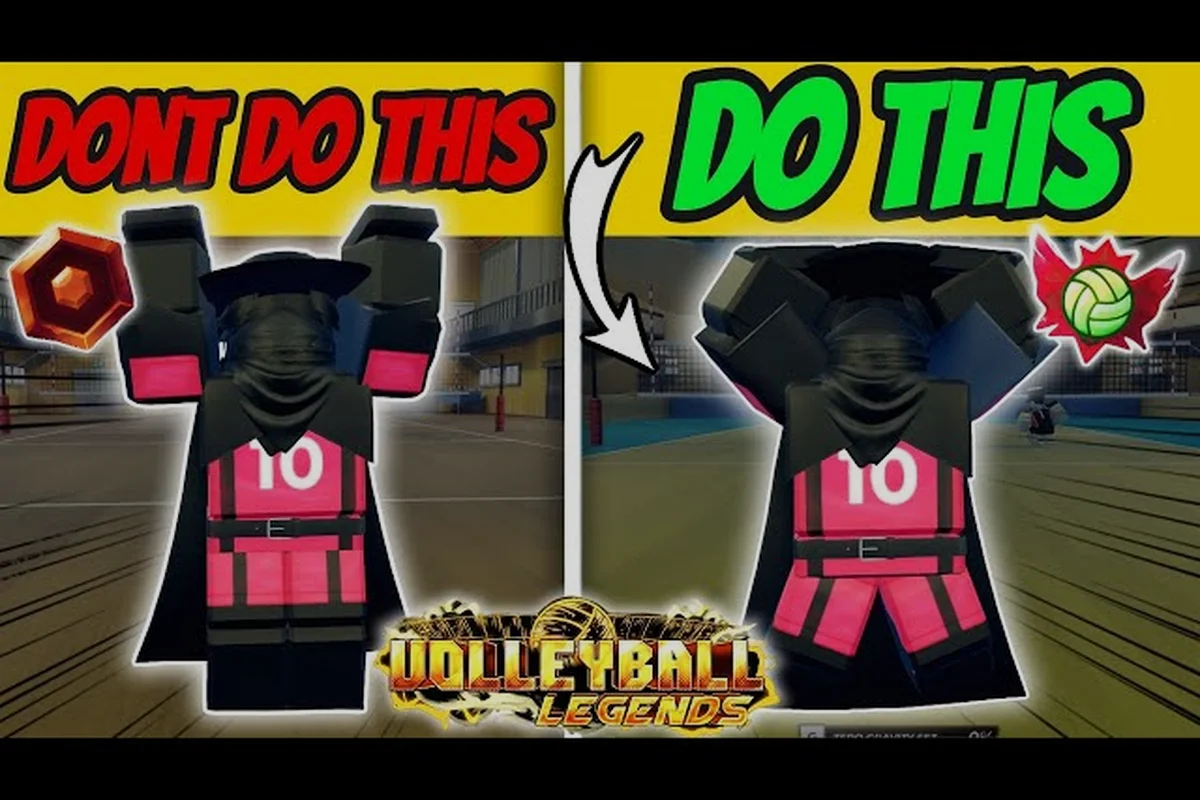
Volleyball Legends Beginner Guide: 15 Tips to Go Pro
Master the volleyball legends beginner guide with 15 tips covering serves, spikes, blocks, and positioning so you stop flailing and dominate every rally.
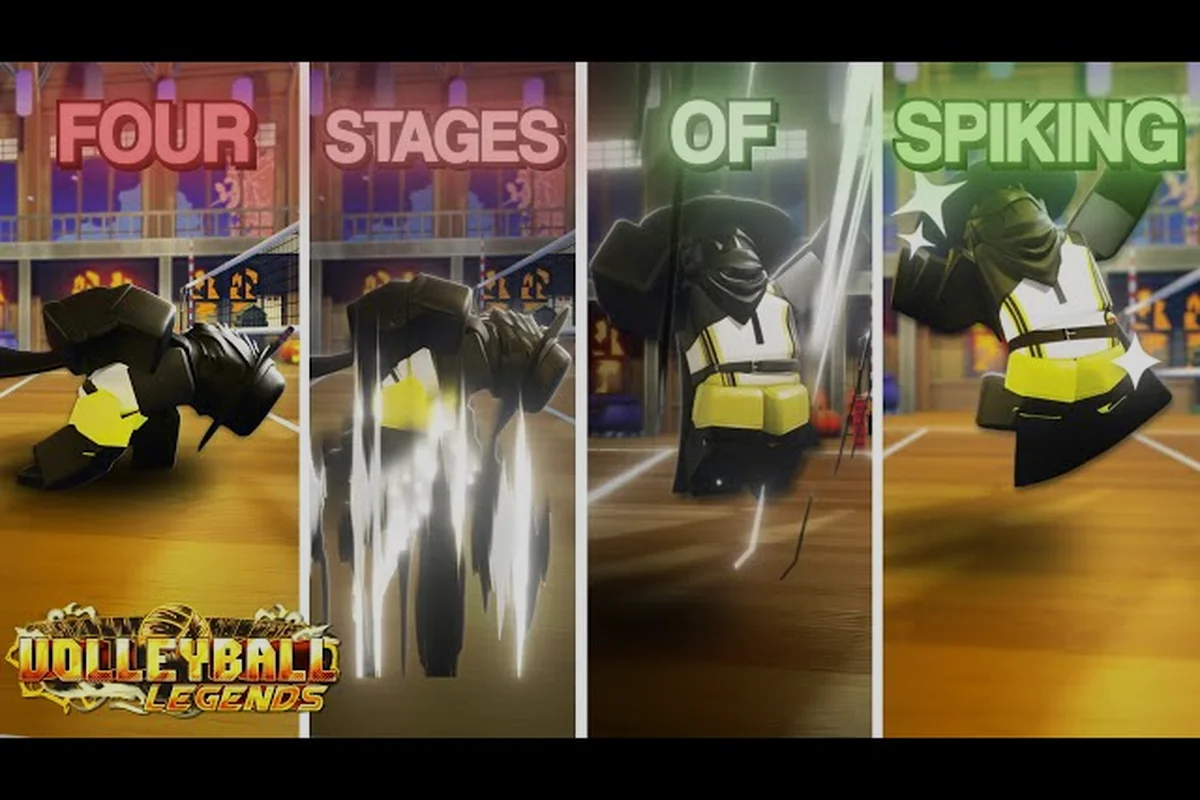
Volleyball Legends Bump Guide for Clean Receives
Use this volleyball legends bump guide to control first touches, read serves, and rotate correctly in 6v6 so your team always starts the rally clean.
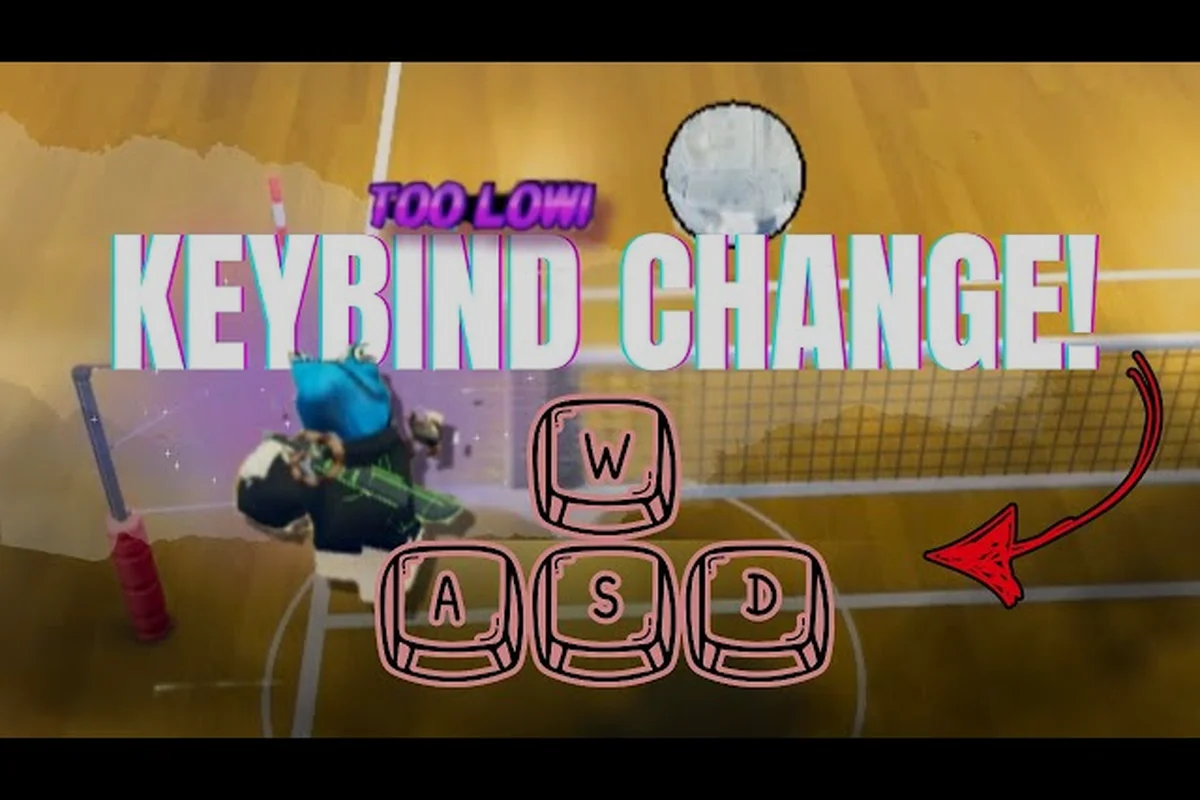
Volleyball Legends Keyboard Controls and Keybinds
Learn volleyball legends keyboard controls, how to rebind keys, and nail serve and spike timing so your inputs never cost you a point again.
All Articles
Volleyball Legends Lag Fix: Boost FPS and Cut Stutter
Apply this volleyball legends lag fix with fast flags and low-end PC settings to crush stutter, raise FPS, and make serves and spikes feel responsive.
Volleyball Legends Match Flow: Win Rallies and Come Back
Understand volleyball legends match flow to control rallies, fix common mistakes, and run practice drills that turn losing streaks into comebacks.
Volleyball Legends Pickup Match Guide for New Players
Jump into a volleyball legends pickup match guide covering multiplayer basics, playing with friends, and the best settings to avoid beginner chaos.
Volleyball Legends Solo Practice to Fix Low Spikes
Use volleyball legends solo practice to fix low spikes, correct beginner mistakes, and sharpen core skills before your first real match.
Volleyball Legends Ultimate Beginner Guide: Learn Every Mechanic
Start with this volleyball legends ultimate beginner guide covering the tutorial, PC controls, and key terms so every mechanic clicks before you step on court.
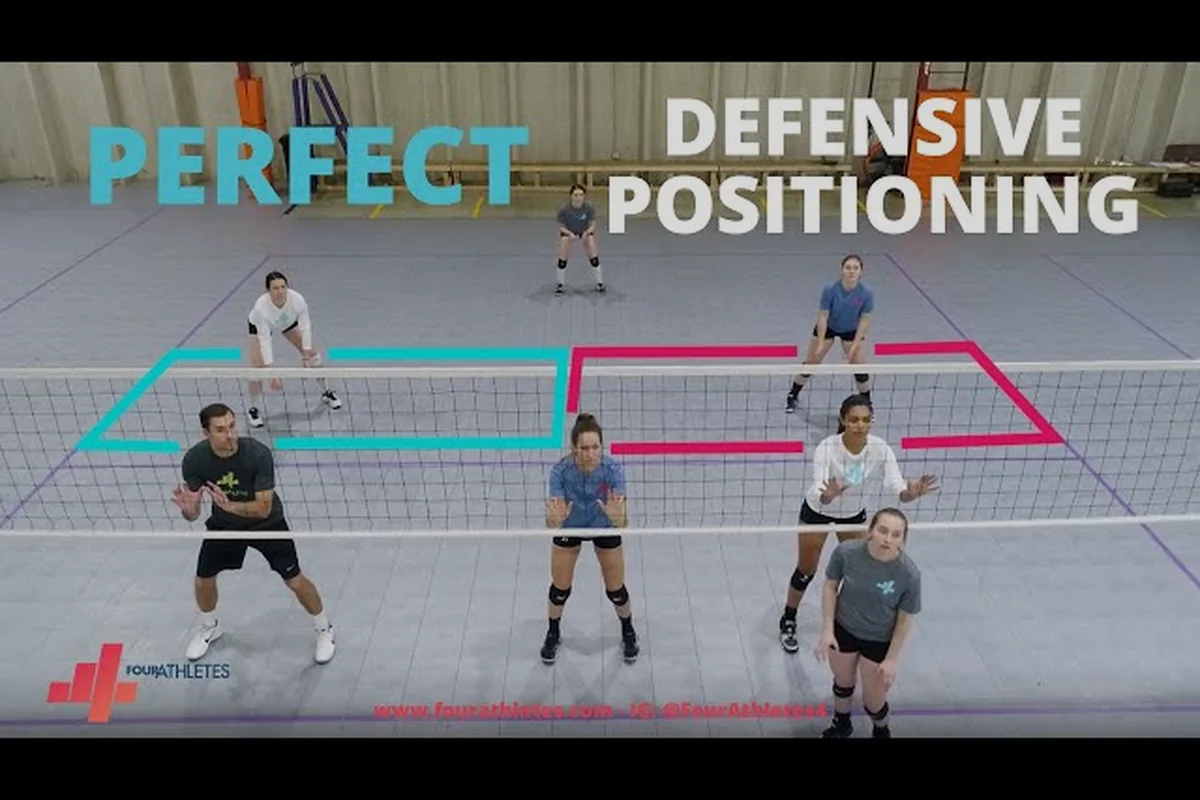
Volleyball Legends Front Row Attack: Setter and Middle Guide
Break down volleyball legends front row attack tactics, from middle blocker timing to setter placement and team communication for unstoppable offense.
Volleyball Legends How to Block With Pro Timing
Master volleyball legends how to block by reading hitters, timing your jump, and pairing blocks with dives and sets for a rock-solid defense.